Practice operations
Good days start with work that connects.
Where does the work get stuck?
Start with a recurring problem: an authorization delay, uneven schedule or difficult handoff. We trace the work across departments and sites, identifying responsibilities, dependencies and the evidence behind each finding.
Scheduling & patient access
Review referrals, appointment templates, procedure readiness and follow-up. Compare schedules with actual activity and available staff, rooms and equipment to identify access and capacity constraints.
Staffing & accountability
Examine workload, coverage, onboarding and training. Clarify who owns each handoff and which decisions belong with staff, operating leaders or physicians, including responsibilities across locations.
Quality & written standards
Turn agreed workflows into departmental playbooks. Define ownership for quality measures and follow-up, with clinical leadership directing care decisions and qualified specialists addressing questions that require their expertise.
Growth & coordination
Connect referral and marketing activity to scheduling and operational readiness. Evaluate existing systems before recommending software, service lines or additional demand for the practice.

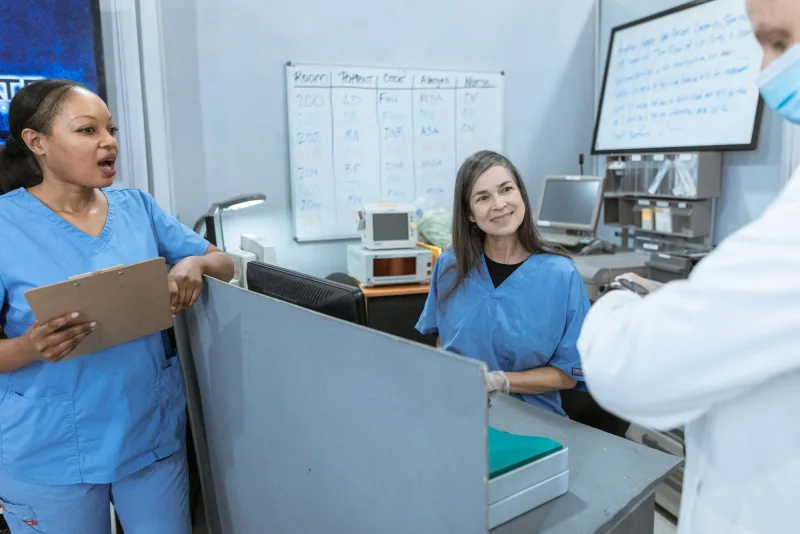
Illustrative photograph; not Premier staff or client records.
The work leads
to a decision.
Possible written outputs, subject to the final scope and proposal:
- A workflow assessment with documented handoffs and evidence behind the findings.
- Ranked priorities with effort, dependencies and responsible people identified.
- An action plan and leadership review to agree on next steps.
A scoped technology project may connect intake and scheduling information or automate an administrative follow-up, with staff reviewing exceptions. Ali leads the operating work and a technology partner carries out agreed implementation tasks.
The written proposal defines scope, fee and timing. Clinical decisions remain with your leadership; specialist responsibilities are agreed separately.
Talk with Ali ↗See an illustrative example →Can we focus on one department?
Yes. We can evaluate a defined scheduling, staffing or workflow problem. We agree on the scope and include connected departments where their work affects the question.
Will this require new software?
We first examine current tools, workflows and reporting. Clearer responsibilities or better use of an existing system may be enough.
Who carries out the recommendations?
Your team can use the plan independently. Premier can also provide defined implementation support, with responsibilities agreed for practice leadership and any specialist contributors.